Thursday, 19 November at 19:00
Bulevardul 1848 No. 47, Romania
We warmly welcome you to the guest performance of the Udvarhely Folk Dance Workshop!
📆Date: 19 November 2026, 7 p.m.
📍Venue: the performance hall of the Mureșul Artistic Ensemble
Tickets are available on bilete.visitmures.com from 3 November.
Reservations by phone at (0757) 059 594.
THE 100-LEI WIFE
a portrait of destiny
The ethnography of the "100-lei" wives is recorded in few documents, but collective memory preserves all the more unseen stories. In the villages of Szeklerland (Székely Land), because of the social situation of the time, marriage was often made not out of love, but out of necessity. The woman who was brought, stolen or bought served as a "temporary remedy" for the need to marry – a fate that particularly affected the Csángó girls from Moldova.
They were the ones who, for human, family or social reasons, were forced to leave their native place and seek, in a foreign land, a new home, support, a life. The ethnographer Balázs Lajos writes about them thus: "They are from Bacău, but Hungarian, Catholic, they speak beautifully, they are hardworking and take good care of their children."
The verdict of the era often fell unjustly upon them – it judged the women, not the circumstances, not the failings of the systems, nor the differing intentions of the men.
Our performance evokes the personal stories of these girls who went far away.
What does it mean to leave the wellspring and find yourself among strangers?
What does a girl take upon herself in order to become a woman?
How does the triple process of identification, change and staying take shape within her?
What face can a marriage have – and can love blossom within it?
Beyond the woman's destiny, these stories also speak about the nature of the bond: about how a man and a woman can remain together in the world – in faith, in community and in human dignity.
CREATORS:
Dance ensemble: Antal Katalin, Bakos Gellért-István, Bakos Gyöngyi, Balázsi Boróka, Berze Gellért-Bence, Csog Lehel-Zoltán, Fábián Gergely, Faluvégi Erzsébet, Fülöp Csaba, Gábos Szabolcs, Hajdó-Nagy Lóránt, Mátéfi Ágota, Sipos Réka-Katalin, Szabó Adrienn
Choreographers: Kádár Ignác, Tőkés Csaba-Zsolt
Set designer: Várady-Sós Beáta
Dramaturgical collaborator: Prezsmer Boglárka
Music editor: Lőrincz Hortenzia, Molnár Szabolcs
Vocals: Fodor Szilvia
Assistant: Antal József
Sound: Zilincki Károly
Lighting: Toásó István
Costumes made by: Dezső Ágnes and Kis Magdolna
The following took part in the music recording: Molnár Szabolcs – double bass, violin, cobza, drum; Kelemen István – cobza, violin; Melkuhn Róbert – flute; Fazakas Albert – cimbalom; Korpos Szabolcs – double bass; Ferencz Dávid – viola; Ferencz Vince – double bass, gardon; Simon Zsolt – gardon; sound engineer: Korpos Szabolcs
Director-choreographer: Lőrincz Hortenzia
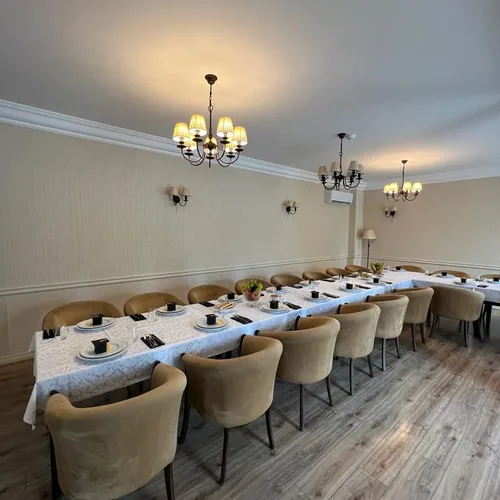
Open now until 22:00
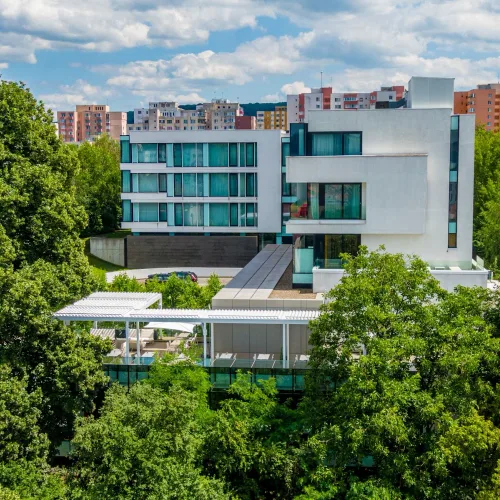
Open 24 hours
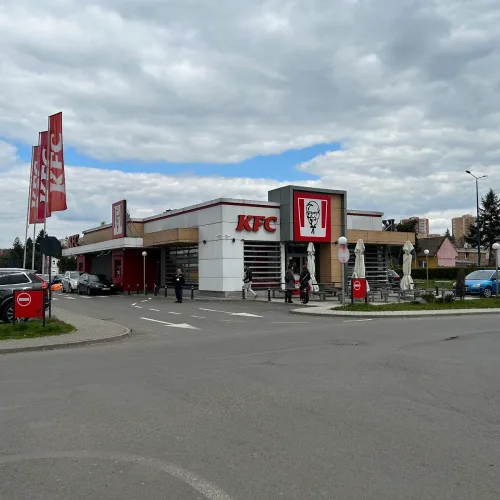
Closed. Opens today at 09:00

Open now until 22:00
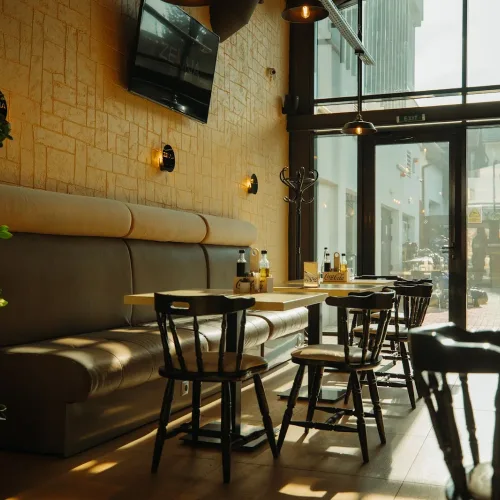

Closed. Opens today at 10:00
Closed. Opens today at 12:00